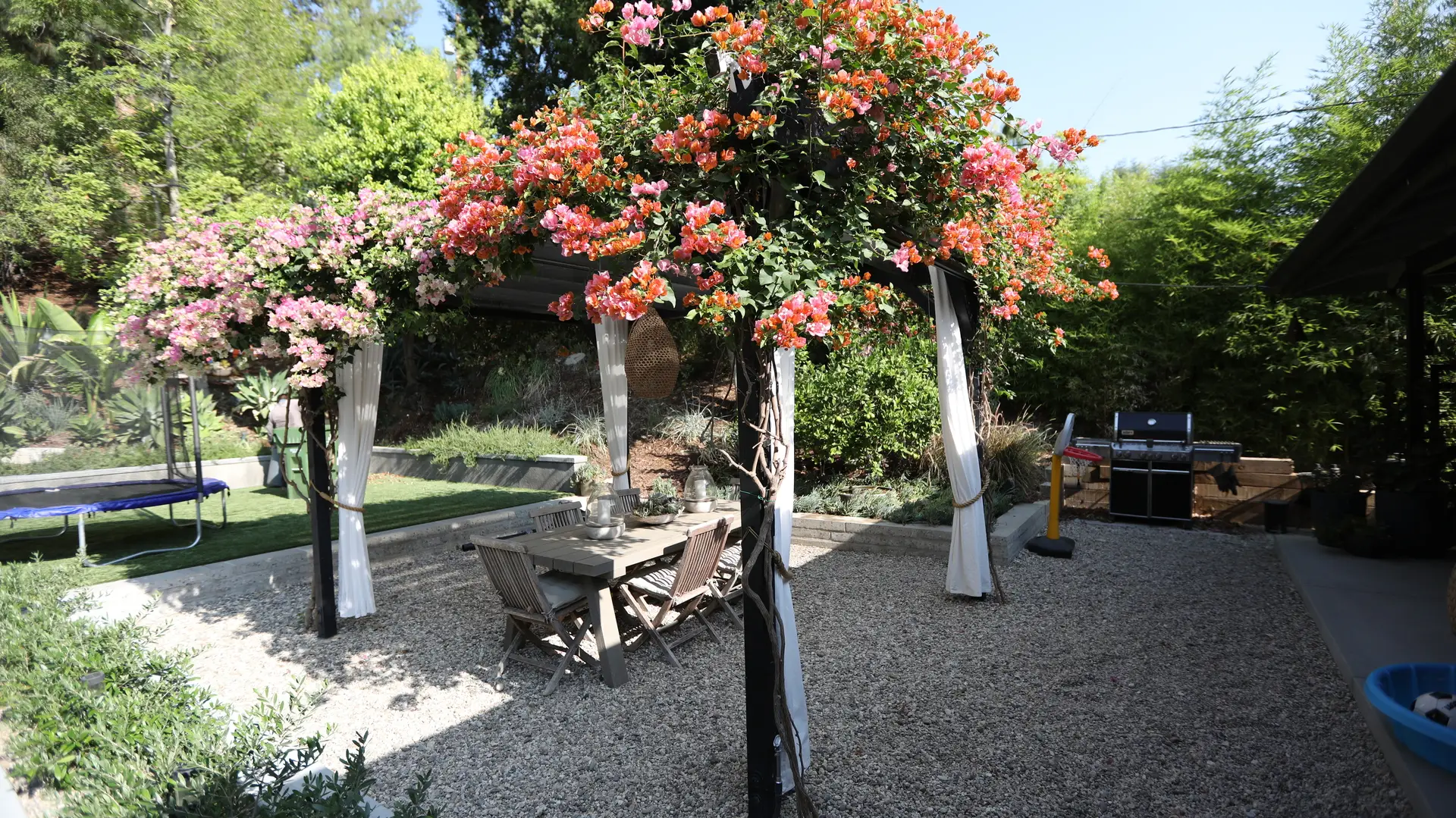
If you have spent money on professional landscaping design, installation, and maintenance, you want to enjoy your investment and beautiful home at all hours of the day. Installing professional landscape lighting extends your enjoyment of your yard throughout the evening and into the night. Landscape lighting is essential for creating cozy spaces for entertaining and ensuring the safety of your family and guests in your yard. Read on to learn more about optimally illuminating your yard and for unique landscape lighting ideas!

Unique and Effective Landscape Lighting Ideas
Your landscape lighting ideas can be as unique as your personality and home. Here are a few of the most popular and unique designs to express creativity!
1. Uplighting and Downlighting
Install lights in strategic positions to illuminate specific objects. An example of uplighting is placing a fixture at the base of a tree with the lighting pointing upwards. This creates a dramatic effect that showcases the beauty of the foliage, the texture of the trunk and branches, and the features of the plant itself. Downlighting would be installing a light in an elevated position in the tree to cast a soft downward glow. This provides illumination for outdoor areas or creates a moonlight effect.
2. Architectural Lighting and Grazing
Grazing is a technique that places lights close to the surface of textured walls, stonework, or garden structures. This accentuates the unique texture of the surface, which adds depth to your landscape and features these individual elements. Likewise, architectural lighting is strategically placed to highlight various features of your home or other hardscapes. Illuminating details such as columns, arches, or other decorative elements ensure these beautiful designs are preserved in the darkness.
3. Water Features and Pool Lighting
Illuminate water features like fountains, ponds, or waterfalls to draw attention to these unique elements and create a captivating display. Submerge waterproof LED lights to create a stunning underwater glow and magical effect. You can also use floating lights to create an ethereal vibe. Lighting your water features allows for increased creativity – you can select different colors than the traditional white lights, adding some fun to your space!
4. Natural Lighting Sources
One unique landscape lighting idea to consider is bringing in a natural source of light – flame. Consider building a firepit or outdoor fireplace as a feature for family and friends to gather around that also illuminates the space. Consider lighting the side of your house or pathways with gas lanterns. Authentic flame lanterns create a cozy, vintage aesthetic and warm any walkway or entryway.
Remember to consider your landscape lighting ideas’ functionality, safety, harmony, and balance. Experimenting with different techniques, light intensities, colors, and angles can help you achieve your desired effect. Mix and match various ideas to create a captivating lighting design that compliments your landscape and enhances your outdoor living experience.

How Do You Plan Outdoor Landscape Lighting Ideas?
Before you install your landscape lighting idea, you need a solid plan. Evaluate your landscape and identify the vital focal points you want to feature. Consider the lighting techniques that best draw attention to these aspects – uplighting, downlighting, grazing, silhouetting, path lighting, or others. Ensure your lighting works functionally as well – are the areas where you sit that are well-lit enough for conversation or eating? Can people walk on lit paths? It helps to plan your yard in zones for high lighting, low lighting, and any other needs you might have. Plus, you will want to select weather-resistant fixtures and energy-efficient bulbs with your desired color temperature and intensity. Consider the placement of power sources and test the lighting effects before completing your installation.
What Color Should Landscape Lights Be?
When selecting a landscape lighting idea, it is critical to consider the color temperature of your bulbs. Color temperature matters because it sets your outdoor space’s tone, mood, and ambiance by affecting how color is observed and rendered in the environment. Outdoor lighting comes in different styles – very warm white, warm white, natural white, cool white, or colored lights. Warm white is the most popular color temperature, as it is soothing and welcoming yet not as low-key as very warm white, reminiscent of candlelight. Natural white is ideal for task lighting, for example, highlighting focal points or architectural features or illuminating green vegetation. Cool white is sued to simulate moonlight or illuminate blue foliage.
How Far Apart Should Landscape Lights Be Placed?
Choosing the spacing of your lighting depends on many factors, including your plant and hardscape elements, the type of lighting, and the desired effect of your overall landscape lighting idea. The guideline is to place landscape lights between 8 and 10 feet apart. This allows for adequate lighting coverage while maintaining an evening ambiance and avoiding harsh lighting conditions. On paths, lights can be placed between 6 and 8 feet apart to properly illuminate the walkway and ensure adequate visibility and safety. Lighting should be placed on specific features or focal points and spaced accordingly to achieve the desired effects. You must test your lighting before finalizing your installation so you can make the proper adjustments to fine-tune your space and landscape lighting ideas.
Should You Leave Landscape Lighting on All Night?
If your landscape lighting idea has transformed the look and feel of your yard, you may be tempted to leave it on all night! There are a few factors to consider including personal preferences and the specific goals of your landscape lighting idea. Keeping lights on throughout the night expends energy, which can increase your electricity costs significantly. However, leaving some lights on can deter potential intruders and improve the safety of your home by providing visibility. Excessive light at night can disrupt natural ecosystems, interfere with wildlife, and cause light pollution. The best way to stay safe and secure yet not overuse your lights is to consider using timers or smart lighting systems to control your landscape lighting ideas’ operation and energy efficiency.
How Design Scapes Can Help
Are you looking for new landscape lighting ideas in the Southern California area? Design Scapes is here to help! Our team of landscaping professionals has decades of experience finding the perfect landscape lighting ideas and designs for any home aesthetic. We will work with your tastes, current foliage, plans, and budget to design the optimally lit yard for your house. Visit our website to learn more about our outdoor lighting services, or contact us today to schedule a consultation. We look forward to helping bring your landscape lighting ideas to life!