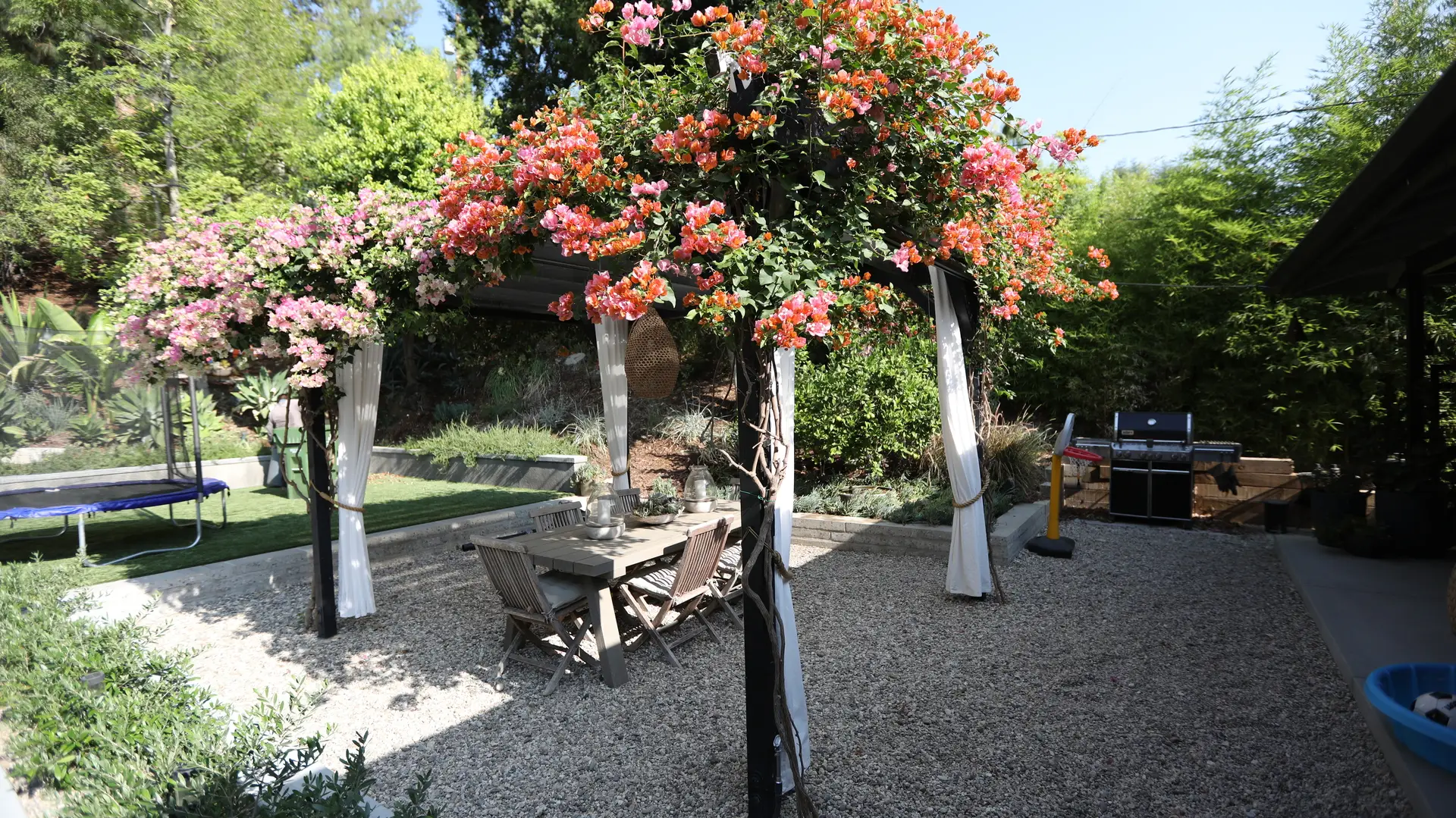
Southern California is a region renowned for its stunning natural beauty and year-round sunshine. With miles of pristine coastline, picturesque mountains, and scenic desert landscapes, this area attracts people from all over the world who seek an ideal climate to live, work, and play. However, with its arid climate and limited water resources, landscaping in Southern California can be a challenge, especially during the scorching hot summers when water is scarce. Fortunately, there is a silver lining for those seeking to create beautiful outdoor spaces that can thrive in this arid environment. By selecting the right plants, you can create a lush and vibrant landscape that is both attractive and eco-friendly. With the increasing need to conserve water and reduce water bills, it makes perfect sense to turn to drought tolerant plants that can withstand long periods of heat and drought.
In fact, many homeowners and businesses in Southern California are now opting for drought tolerant plants and flowers to save water, time, and money. These plants are a great solution for anyone looking to create a stunning and sustainable landscape that can withstand the harsh conditions of Southern California’s climate. With an array of beautiful and hardy plants to choose from, there’s no shortage of options when it comes to creating a drought-tolerant landscape in Southern California, including our top favorites:
Best Drought Tolerant Plants for Southern California
Firecracker Penstemon (Penstemon eatonii)
We love the Firecracker Penstemon because of its bright red flowers that bloom in the spring and summer. This plant can grow up to four feet in height and width; plus, it grows incredibly quickly!
Mexican Bush Sage (Salvia leucantha)
Mexican Bush Sage is a large bush that can grow up to three feet high and thrives both in sunny and partially shaded areas. It has beautiful gray-green foliage during the year with bright purple flowers in the summer and fall.
Canyon Live-Forever (Dudleya cymosa)
If you are looking for a plant that needs very little attention, the Canyon Live-Forever is right up your alley. This evergreen succulent can grow in containers or out in the yard and reach up to a foot in height and width. The lovely reddish-orange flowers it produces in the spring add a touch of color you can look forward to.
California Fuschia (Zauschneria californica)
California Fuschia is a native plant to California that can grow literally anywhere, from cliffs to your very own backyard. Growing up to two feet high and four feet wide, these fascinating plants produces massive amounts of bright, reddish-orange flowers from July to November, which is prime feeding for hummingbirds.
Blue-Eyed Grass (Sisyrinchium bellum)
If you enjoy having ground cover in your outdoor space, Blue-Eyed Grass is the way to go. This small perennial can grow up to one foot in height and width. Plus, the Blue-Eyed Grass gets its name from the small, deep blue flowers, hence “blue-eyed.”
The Benefits of Southern California Drought Tolerant Plants
Drought-tolerant plants are not only stunning additions to any outdoor space, but they also provide an array of benefits that make them a smart choice for homeowners and businesses alike. One of the primary benefits of these hardy plants is that they require very little maintenance, making them perfect for those who want to enjoy a beautiful garden without the time and effort required for upkeep.
By opting for drought-tolerant plants, you can spend less time and money on watering, fertilizing, and pruning your plants, freeing up your schedule to enjoy your outdoor space to the fullest. Moreover, these plants are incredibly resilient and can thrive in harsh conditions, making them ideal for Southern California’s arid climate. They can withstand extended periods of drought, extreme heat, and strong winds, making them an excellent option for those who live in areas with water restrictions or limited access to water.
In addition to being low-maintenance, drought-tolerant plants are also eco-friendly and cost-effective. By choosing plants that are adapted to the region’s natural environment, you can reduce your water consumption, lower your water bills, and conserve energy. Moreover, by using less water, you are also helping to conserve this precious resource, which is becoming increasingly scarce in Southern California.
How Do I Know If a Plant is Drought Tolerant?
If you’re looking for plants that can survive in drought-prone areas or simply want to reduce your water consumption, you’ll want to choose drought-tolerant plants. Here are a few ways to identify plants that can thrive in dry conditions:
- Look for plants native to arid regions: Plants that are native to desert and Mediterranean climates have adapted to survive in harsh conditions with little water. Some examples include cacti, succulents, and lavender.
- Check the plant’s water requirements: When visiting a garden center, most plants come with tags that indicate how much water they need to thrive. Look for plants that have low to moderate water requirements.
- Consider the plant’s foliage: Drought-tolerant plants often have leaves that are small, thick, or waxy. These features help the plant retain moisture.
- Look for plants with deep roots: Plants with deep roots can access water that’s deeper in the soil, making them more resistant to drought.
- Ask a professional: If you’re unsure about a plant’s drought tolerance, consult with a professional at a local nursery or garden center. Alternatively, if you have a landscaper who assists you with your property, talk to them about which plants would be right for your specific property.
How Long Do You Water Plants in a Drought?
During a drought, it’s essential to water your plants properly to help them survive and thrive. Here are some tips for watering your plants during a drought:
- Water deeply and infrequently: Instead of watering your plants every day, give them a deep soak once or twice a week. This will encourage the roots to grow deeper into the soil, where they can access more water.
- Water in the morning or evening: Watering during the hottest part of the day can cause the water to evaporate quickly. Instead, water in the early morning or late evening when it’s cooler, and the water can soak into the soil.
- Use drip irrigation or a soaker hose: These watering methods deliver water directly to the plant’s roots, reducing water loss due to evaporation.
- Mulch around your plants: Mulch helps to retain moisture in the soil, reducing the need for frequent watering.
- Use rainwater or greywater: During a drought, every drop of water counts. Consider using rainwater or greywater to irrigate your plants instead of using fresh water from the tap.
- Monitor your plants: Keep an eye on your plants and check the soil moisture regularly. If the soil is dry, it’s time to water. If it’s still moist, wait a few days before watering again.
By following these watering tips, you can help your plants survive a drought and conserve water in the process.
Design Scapes Garden Landscape Services – LA
Are you looking to create a beautiful outdoor space for you, your family, and your friends to enjoy? Sometimes some simple landscaping is all you need to brighten up your backyard. For more information on what plants work best for Southern California and your unique outdoor space, give Design Scapes a call.