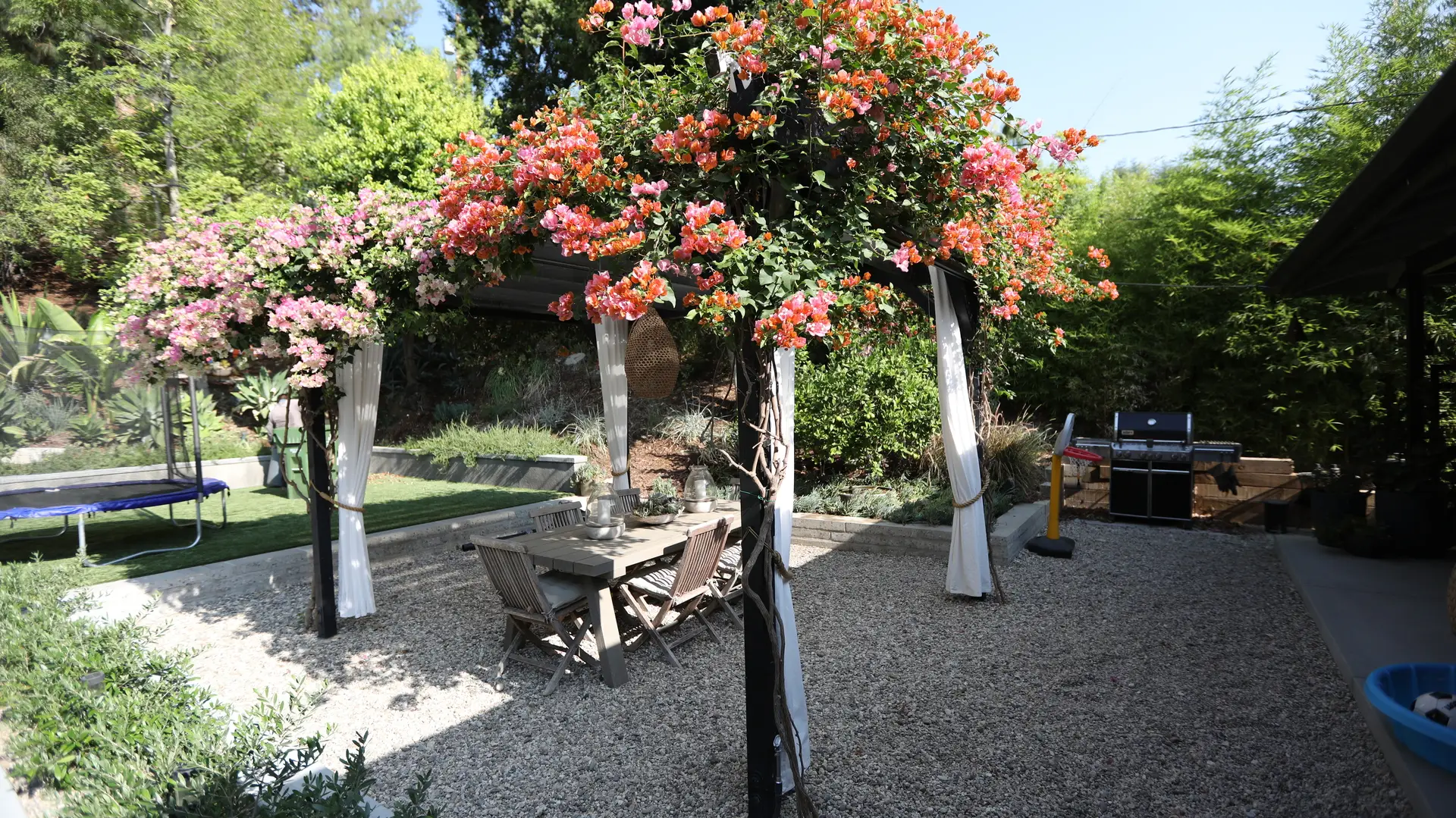
Over the years, I’ve worked with all kinds of properties—from oversized backyards in the hills to tiny side patios in the city—and the one thing I’ve learned is that size isn’t everything. It’s how you use the space that matters. Whether your yard is expansive or compact, a thoughtful design approach can make a world of difference in how it looks, feels, and functions.
If you’re thinking about improving your outdoor space but aren’t sure where to begin, here are a few practical design strategies I’ve used time and again to help clients get the most out of their property.
Define How You Want to Use the Space
Before jumping into any layout or material selections, start with a simple question: What do you want this space to do for you? Is it for hosting friends? Relaxing with family? Growing herbs and veggies? The clearer your goals, the easier it becomes to create a design that fits your life.
For some clients, it’s about creating an extension of their indoor living room. For others, it’s carving out a private retreat to unwind after work. Once you define the purpose, everything else—from layout to lighting—starts to fall into place.
Create Purposeful Zones
One of the most effective ways of maximizing your outdoor space is by breaking it into zones, just like you would indoors. In a larger yard, you might have separate spots for dining, lounging, and recreation. In a smaller space, those areas can overlap—but they still need to be defined.
For example, I’ve created patios where a built-in bench wraps around a fire pit, doubling as both seating and a visual boundary. In narrow yards, a long planter box can double as a wall for privacy and a spot to display herbs or flowers. It’s not about how many features you can fit—it’s about making every corner work for you.
Think Vertically
Limited on square footage? Go up.
I’ve used vertical elements in countless small-space projects, and the results are always surprisingly impactful. Wall planters, hanging pots, and trellises can add layers of interest while freeing up the ground for other uses. They’re also a great way to introduce greenery without sacrificing valuable surface area.
Even in medium-sized spaces, vertical design helps create structure. A tall hedge, decorative screen, or tree line can frame your yard, add privacy, and define different zones without crowding things.
Choose Multi-Functional Furniture
If your yard has to do a lot with a little, your furniture needs to pull its weight. I usually recommend modular or dual-purpose pieces—benches with hidden storage, fold-away tables, or sectional sofas that can be reconfigured depending on the occasion.
One project I worked on involved a tiny patio where we used a daybed that doubled as a dining bench and lounge area. With the right cushions and layout, it became the client’s favorite spot in the house—inside or out.
The trick is to keep things flexible so the space can adapt to how you’re using it that day.
Use Lighting to Stretch the Day (and the Space)
Lighting doesn’t just make your yard usable at night—it changes the entire mood of the space. Even the smallest patio can feel magical after sunset with the right lighting.
I always layer lighting for both function and atmosphere. Pathway lights add safety and structure, while string lights or lanterns introduce warmth and a casual vibe. I’ve also used uplighting on plants and walls to create depth and draw the eye upward—great for making tight spaces feel taller and more open.
You don’t need a huge budget to make a big difference here. A few well-placed fixtures can transform the whole space.
Bring in a Pro for Custom Touches
Every outdoor space has potential—but sometimes it takes a professional eye to see it clearly. Landscape designers know how to work with challenging layouts, understand plant behavior in your specific climate, and can help you avoid costly mistakes down the line.
I’ve had clients come to me after spending time and money on DIY updates that just didn’t hold up or didn’t give them the function they needed. With a clear plan and some creative problem-solving, we were able to take what they had and turn it into something they truly enjoyed using.
Whether it’s a full redesign or just help with layout and materials, having an experienced designer on your side can make a huge difference in how your space turns out.
Final Thoughts
Maximizing your outdoor space doesn’t mean cramming in more stuff—it means designing with intention. Whether you’re working with acres of land or a 10×10 patio, a smart plan can help you create a space that feels comfortable, looks beautiful, and fits how you live.
If you’re ready to reimagine your yard, Design Scapes Inc. is here to help. We’ve been designing custom outdoor spaces across California for years, and we’d love to work with you to bring yours to life. Visit www.design-scapes-inc.com to schedule a consultation or view our past projects for inspiration.
Let’s make every inch count.