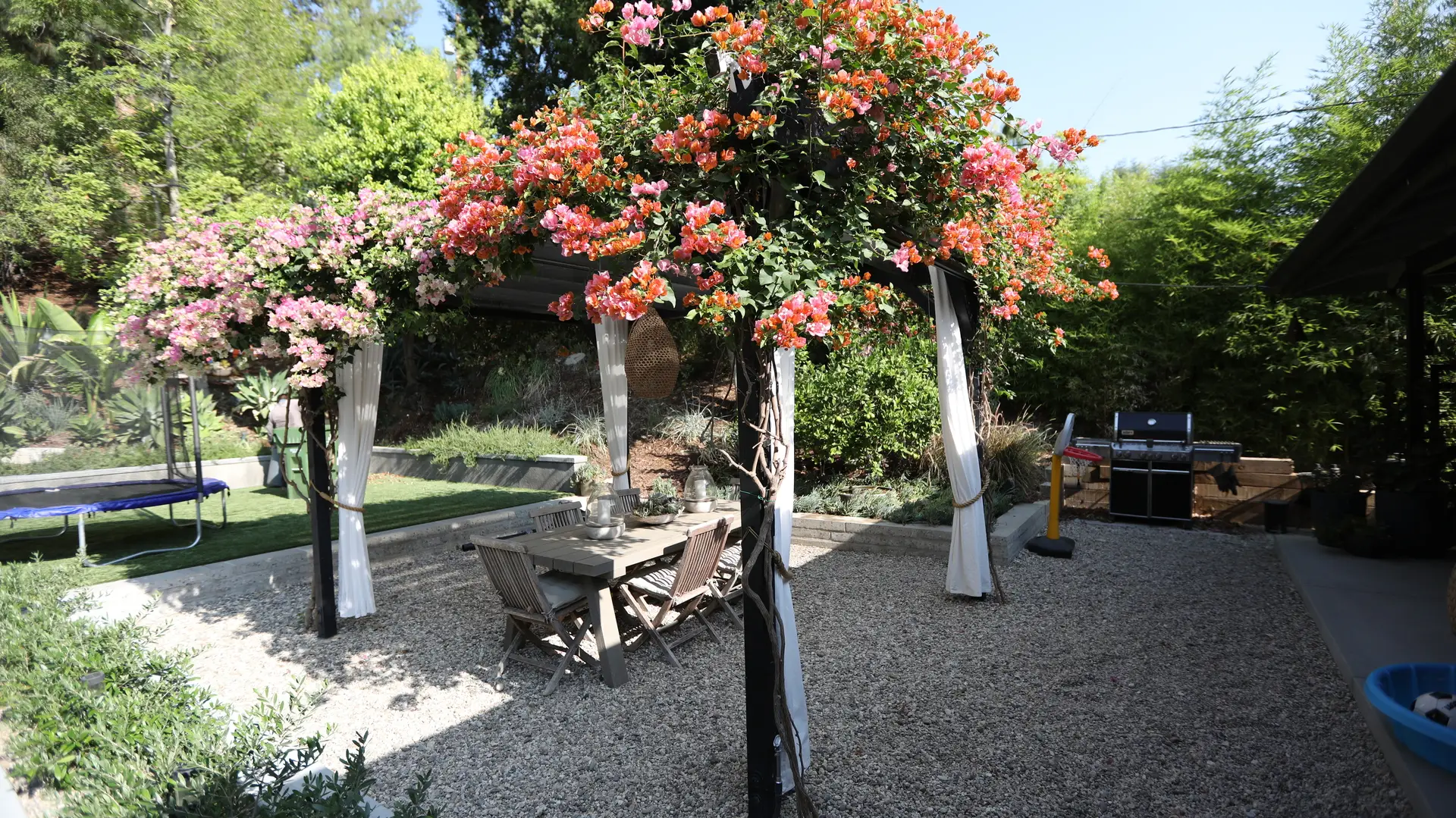
If you’re looking to hire a landscape designer in Southern California, you want to be sure you’re seeing their actual work—not just stock photos or images pulled from other sources. It’s surprisingly common for some designers to use images that don’t represent their own projects, which makes it tricky to know who you’re really hiring. Here’s how to spot the difference between a real portfolio and one that’s been padded with stock or copyrighted images.
Look for Consistency
One of the easiest ways to tell if a portfolio is authentic is to look for consistency across the images. Real portfolios usually have a recognizable style or feel, whether it’s the types of plants used, the hardscape materials, or the overall layout. If a designer’s portfolio has photos that look wildly different from one another—like a lush tropical garden in one photo and a dry desert landscape in another—it could be a sign they’ve pulled those images from various sources, rather than their own projects.
At Design Scapes, every project is shot by a professional photographer, so the quality and consistency of the images speak to the work we do. If a portfolio looks too perfect or too random, it’s worth asking where the photos came from.
Check for Watermarks or Signatures
Stock images or copyrighted photos often come with watermarks, logos, or signatures. If you see any of these on a designer’s portfolio, it’s a red flag. Sometimes they’ll be subtle, tucked away in a corner, but they’re there. A true portfolio of original work shouldn’t have these markings. Real project photos are taken specifically for that designer and won’t have any external branding on them.
If you see a portfolio that feels too polished or looks like it could’ve come straight out of a catalog, that’s your cue to dig deeper.
Ask for Project Details
One of the easiest ways to verify a portfolio is by asking the designer about specific projects. If the photos are of their real work, they should be able to tell you all about the project—what the homeowner was looking for, the challenges they faced, and how they approached the design. They might even have some behind-the-scenes shots from the process. Designers who use stock or copyrighted images won’t have those details at hand, because they weren’t involved in the project.
At Design Scapes, we can always tell you the story behind each photo in our portfolio, because we were there every step of the way. Asking for these details can quickly separate genuine portfolios from ones that aren’t.
Look for a Variety of Angles
Real project photos tend to show a mix of angles—close-ups of plants, wide shots of the whole yard, and different perspectives on hardscape features like patios or pathways. Stock photos, on the other hand, are often taken from just one or two angles and may look overly polished. Professional photographers know how to showcase a landscape from multiple viewpoints, which helps you see the full scope of the design.
If a portfolio feels flat, with just one perfect image per project, it could be stock. Look for variety in how the projects are presented—this is often a sign of authentic work.
Compare to Local Styles and Climate
Southern California has a unique climate, and landscape designs here reflect that. If you see projects in a portfolio that don’t seem to match the local environment—like gardens with plants that thrive in wetter or cooler climates—those might not be real Southern California projects. A designer working in this region should have experience with drought-tolerant plants, hardscapes that hold up in hot weather, and designs that complement the local landscape.
At Design Scapes, all of our projects are specifically designed for Southern California’s climate, and you’ll notice that reflected in every photo. If a designer’s portfolio looks like it could be from anywhere in the world, it’s worth asking if the projects are really local.
What to Expect
When you’re vetting a landscape designer, it’s important to feel confident that the portfolio you’re seeing is a true reflection of their work. Ask questions, look for consistency, and make sure the images align with Southern California’s style. A good designer will be happy to talk about the specifics of each project and provide examples of real, local work.
At Design Scapes, we take pride in our portfolio because it showcases our actual projects, all shot by a professional photographer. When you see our work, you’re seeing the real deal—no stock photos, no borrowed images, just the results of thoughtful design and hard work.