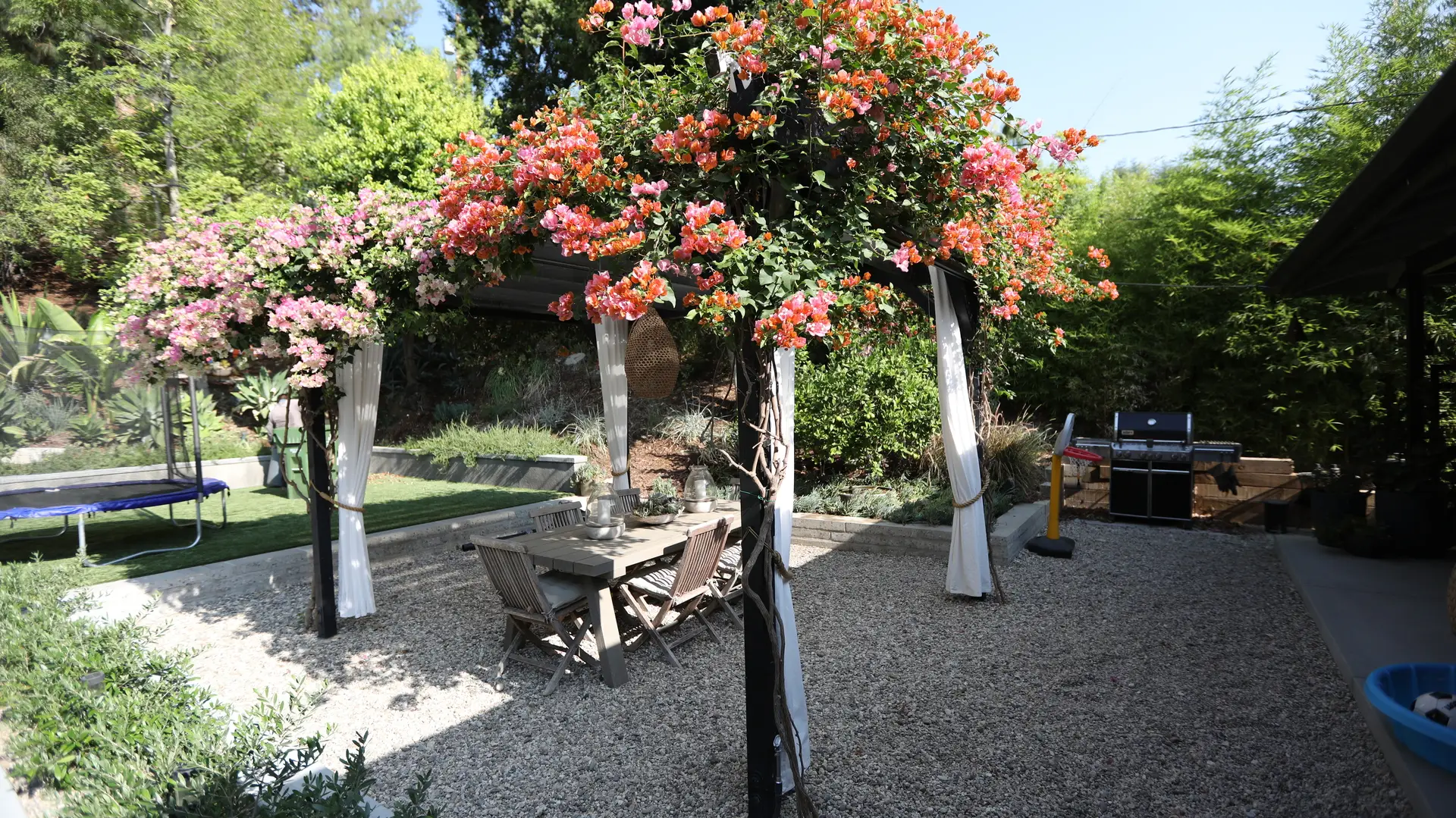
When you’re thinking about adding an outdoor kitchen, there’s a lot to consider. It’s exciting, no doubt, but you want to make sure you’re approaching it the right way, so everything turns out how you imagined. Here’s a straightforward guide on what you should do, and maybe more importantly, what you shouldn’t do when planning this kind of project.
What You Should Do
Start with a Plan
Before diving in, really think about how you plan to use the space. Are you going to be grilling every weekend for a crowd, or is this more of a casual spot for family dinners? Knowing what you need upfront will help set the direction for everything else—layout, appliances, and overall flow.
Choose Materials that Last
Since the kitchen’s going to be outside, you’ll want to pick materials that can handle the weather. Stainless steel for appliances is a good bet, and go for countertops that can stand up to the elements—think stone or something similarly durable. Skimping here will only lead to headaches later.
Make Room for Storage
One thing people often overlook is storage. You’re going to need a place to keep utensils, dishes, and maybe even some outdoor-specific tools. Make sure you build in plenty of cabinets or shelves so everything has its place and you’re not constantly running back inside.
Consider the Layout
Just like with an indoor kitchen, you want to think about how the layout works. A good rule is to set up your grill, sink, and fridge in a triangle, so it’s easy to move between them while you cook. It’s also smart to leave plenty of counter space for prepping.
Get Some Help
It’s tempting to think you can handle everything, but there’s a lot that goes into designing an outdoor kitchen. Getting a professional on board early can save you from costly mistakes, especially when it comes to local codes and technical stuff like ventilation and utilities.
What You Shouldn’t Do
Skip the Permits
Yes, permits can be a pain, but they’re a necessary evil. Not getting the proper ones could lead to fines or having to redo parts of the kitchen down the road. It’s better to play it safe and make sure everything is above board.
Overload the Space
You might want to fit every appliance and gadget into the kitchen, but less is often more. Crowding the space will make it less functional and harder to move around. Stick with what you’ll actually use, and design around that.
Forget the Utilities
It’s easy to focus on the fun stuff—like picking out grills and countertops—but don’t forget about the essentials. Proper plumbing, electrical, and gas lines are critical to making sure your outdoor kitchen works the way it should. Make sure you have the right pros to handle these.
Underestimate the Weather
If your outdoor kitchen isn’t well protected, weather can take a toll on it over time. Think about incorporating some kind of cover, like a pergola or a shade structure, to keep it looking good and help your appliances last longer.
Overlook Comfort
While the kitchen is the focal point, you’ll want to think about comfort too. Adding in seating, lighting, or even a fire pit can make the space much more enjoyable. It’s all about balance—creating a space where people will actually want to hang out.
What to Expect
When you get into a project like this, expect to spend some time nailing down the details, especially during the design phase. Once construction starts, there’s always going to be some disruption, but it’s manageable. The key is having a clear plan and timeline, so you know what’s coming.
In the end, having an outdoor kitchen is about creating a space that fits your life and how you like to entertain. So, take your time, get it right, and you’ll end up with a spot that you’ll enjoy for years to come.